Jean F: Ritualizing a Stranger
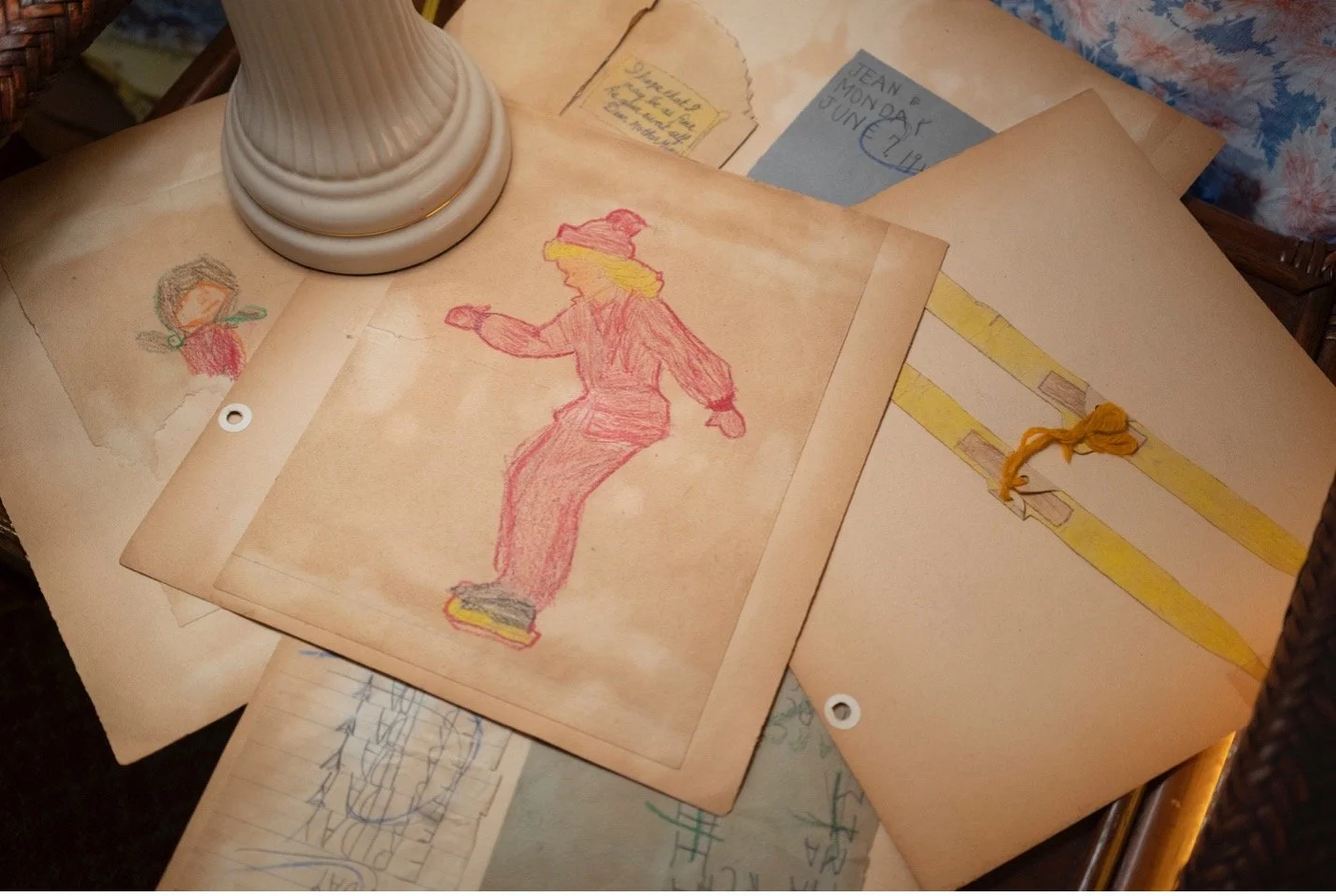
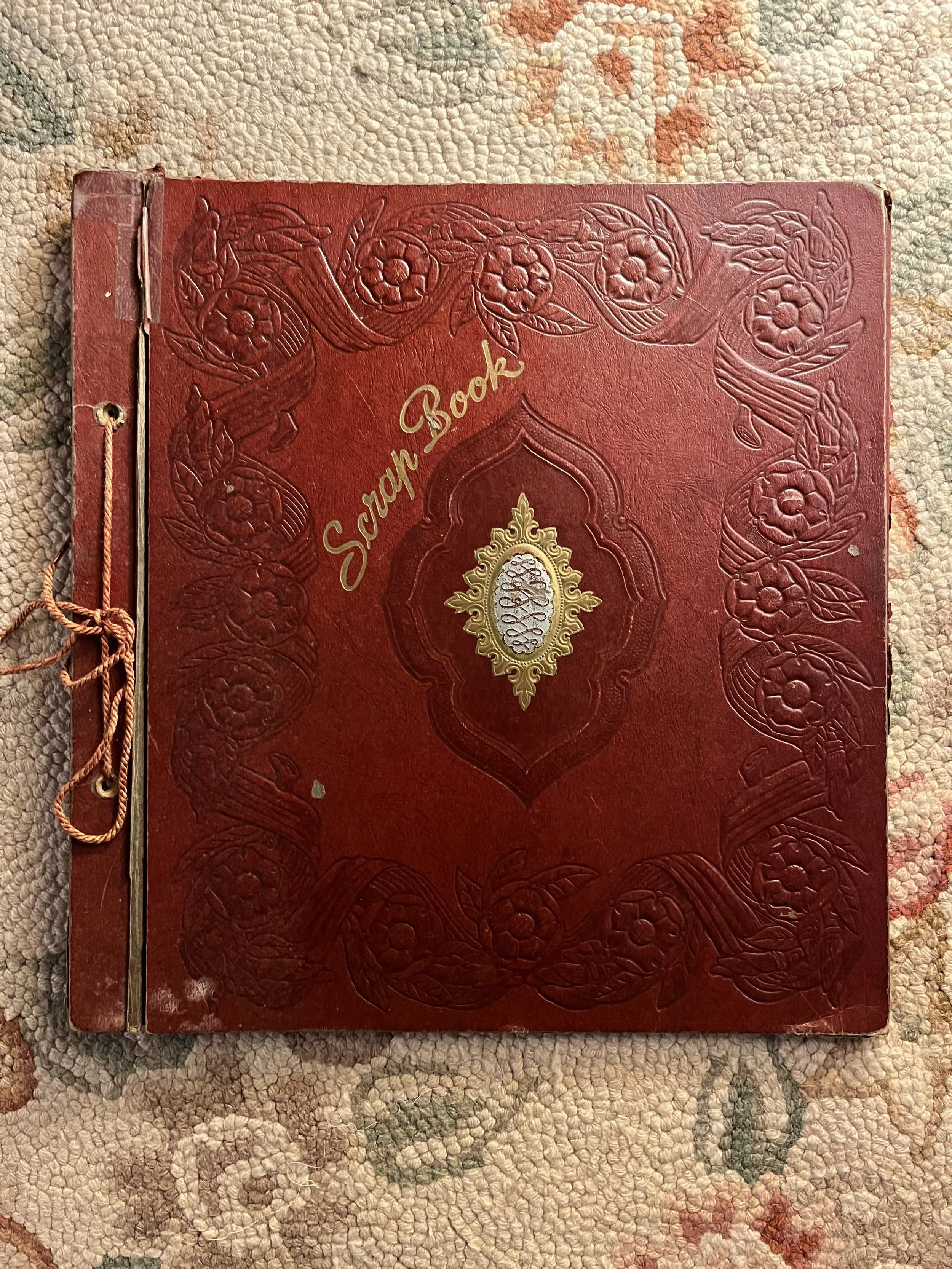
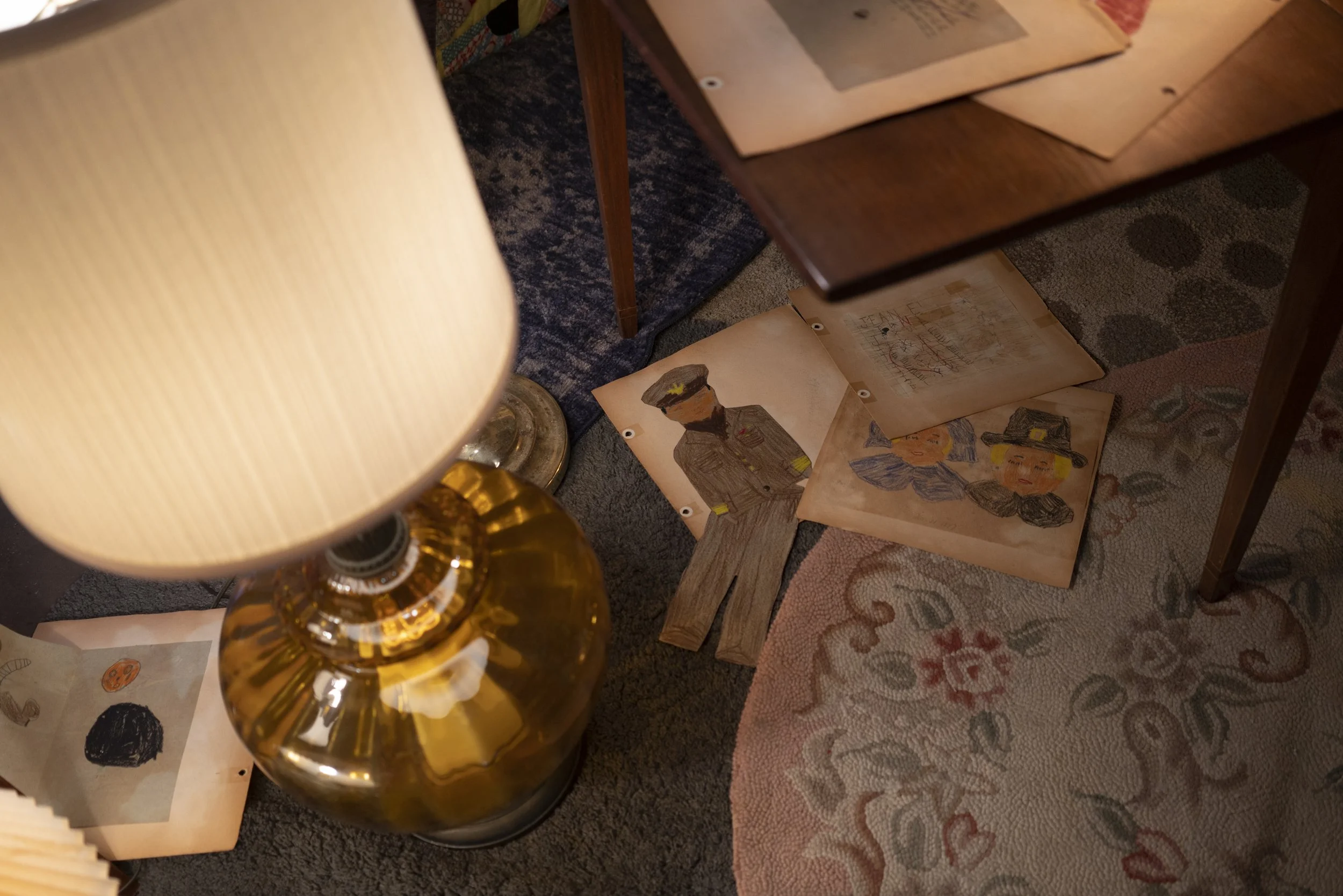
“Jean F: Ritualizing a Stranger” began with a small scrapbook I found at a yard sale in San Diego—made in 1947 by a four-year-old girl named Jean, or “Jeannie.” Inside were photographs, drawings, and scraps from her year. When her teacher asked, “What do you want to be when you grow up?” Jeannie answered simply: “An artist.”
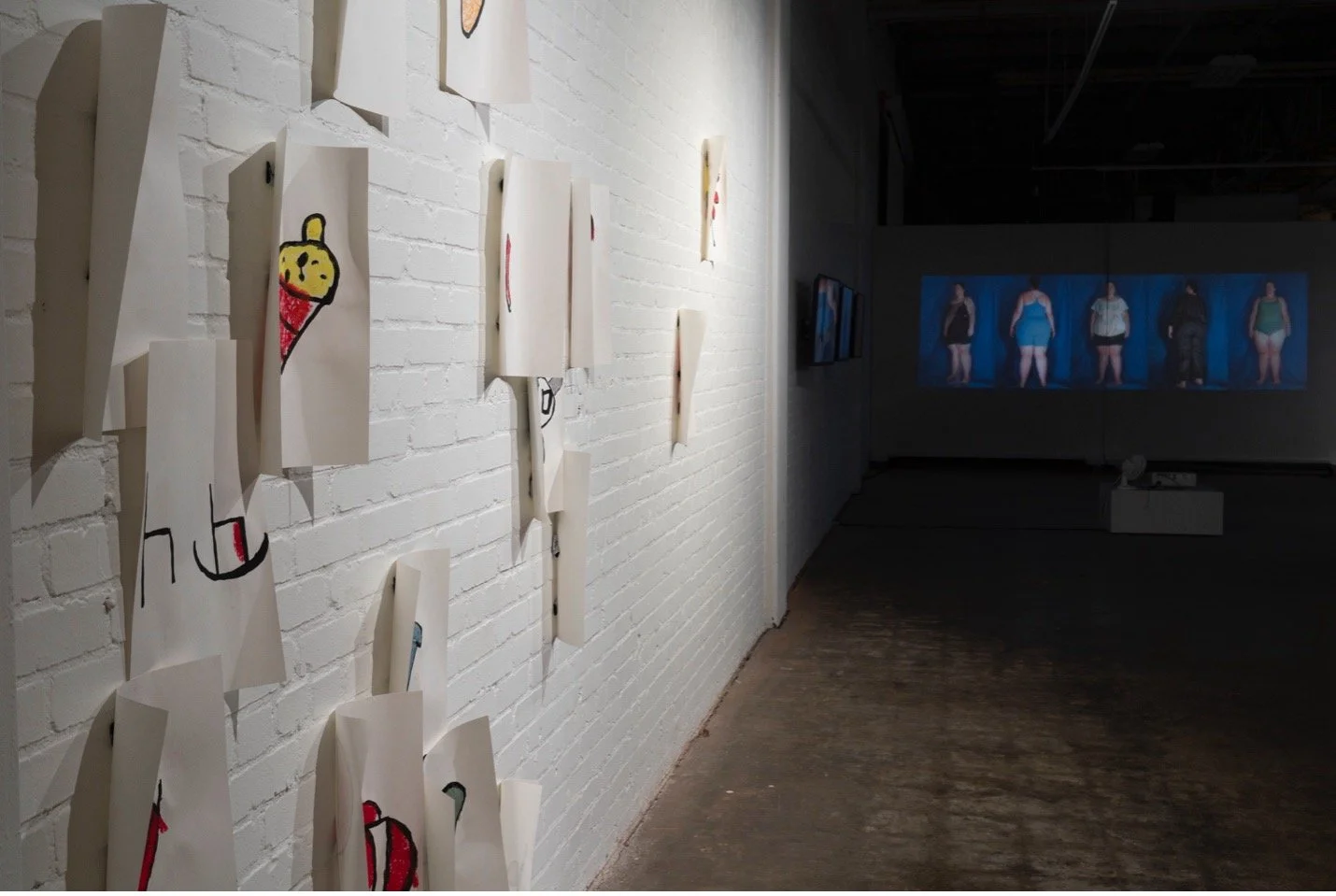
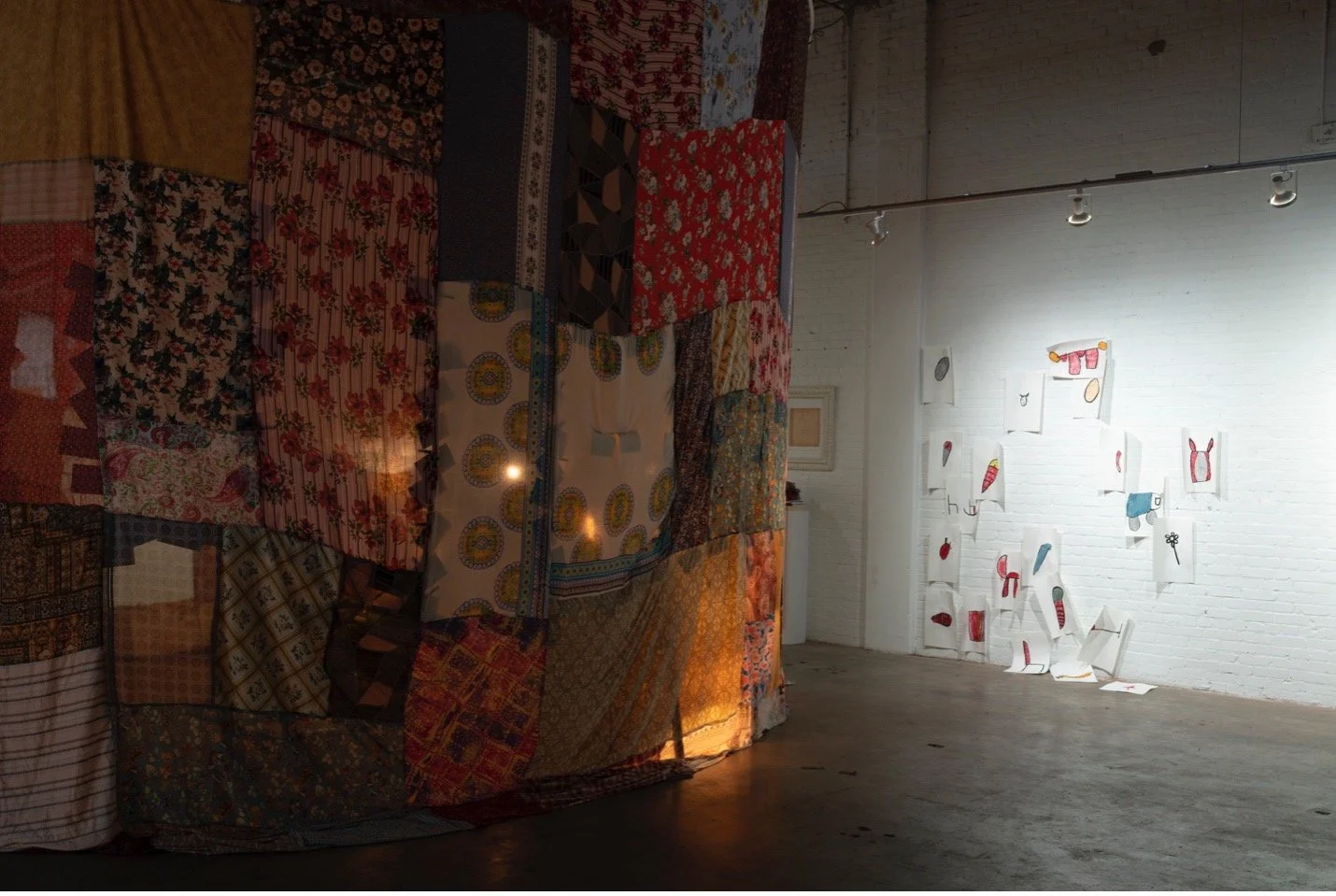
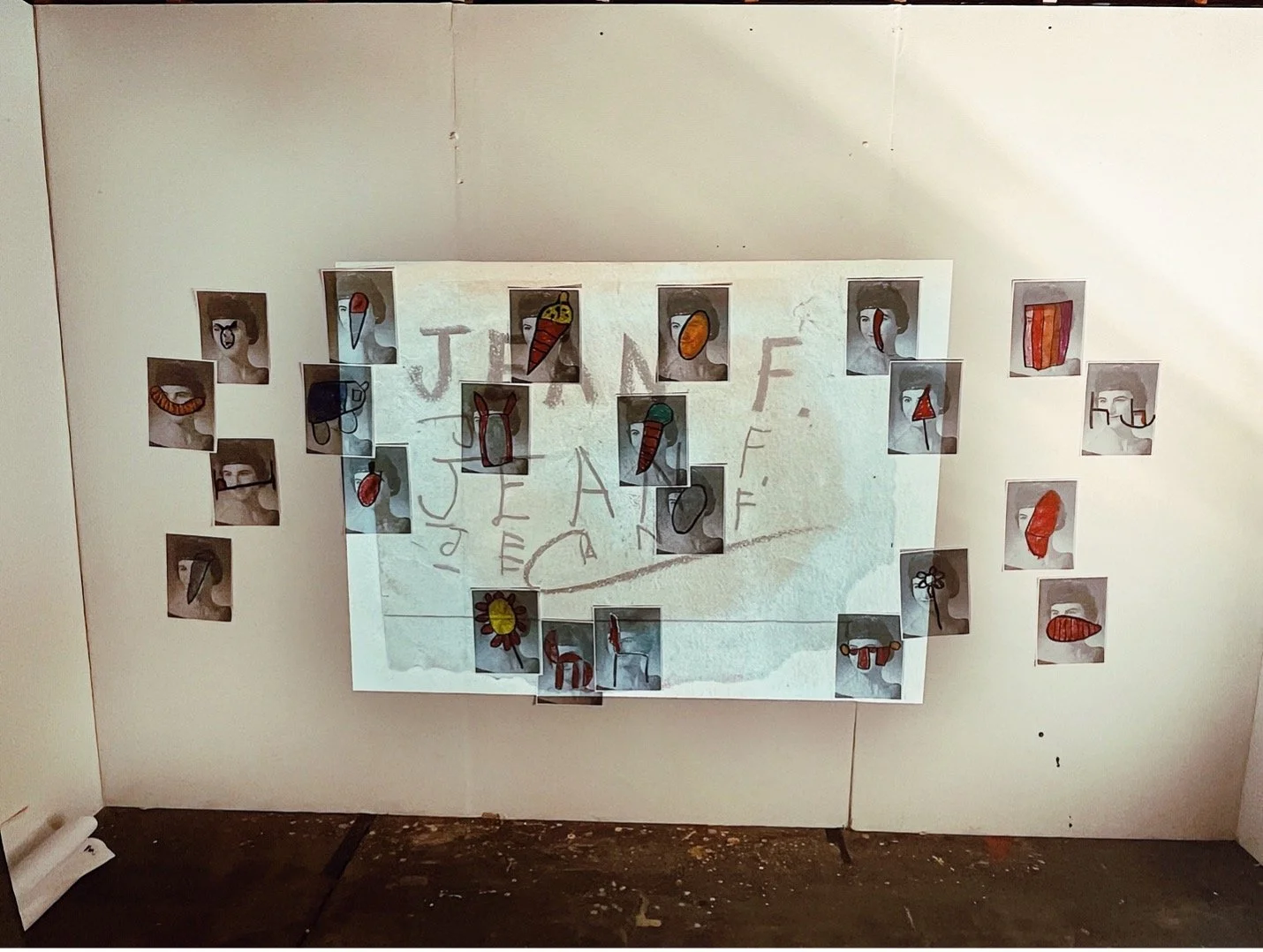
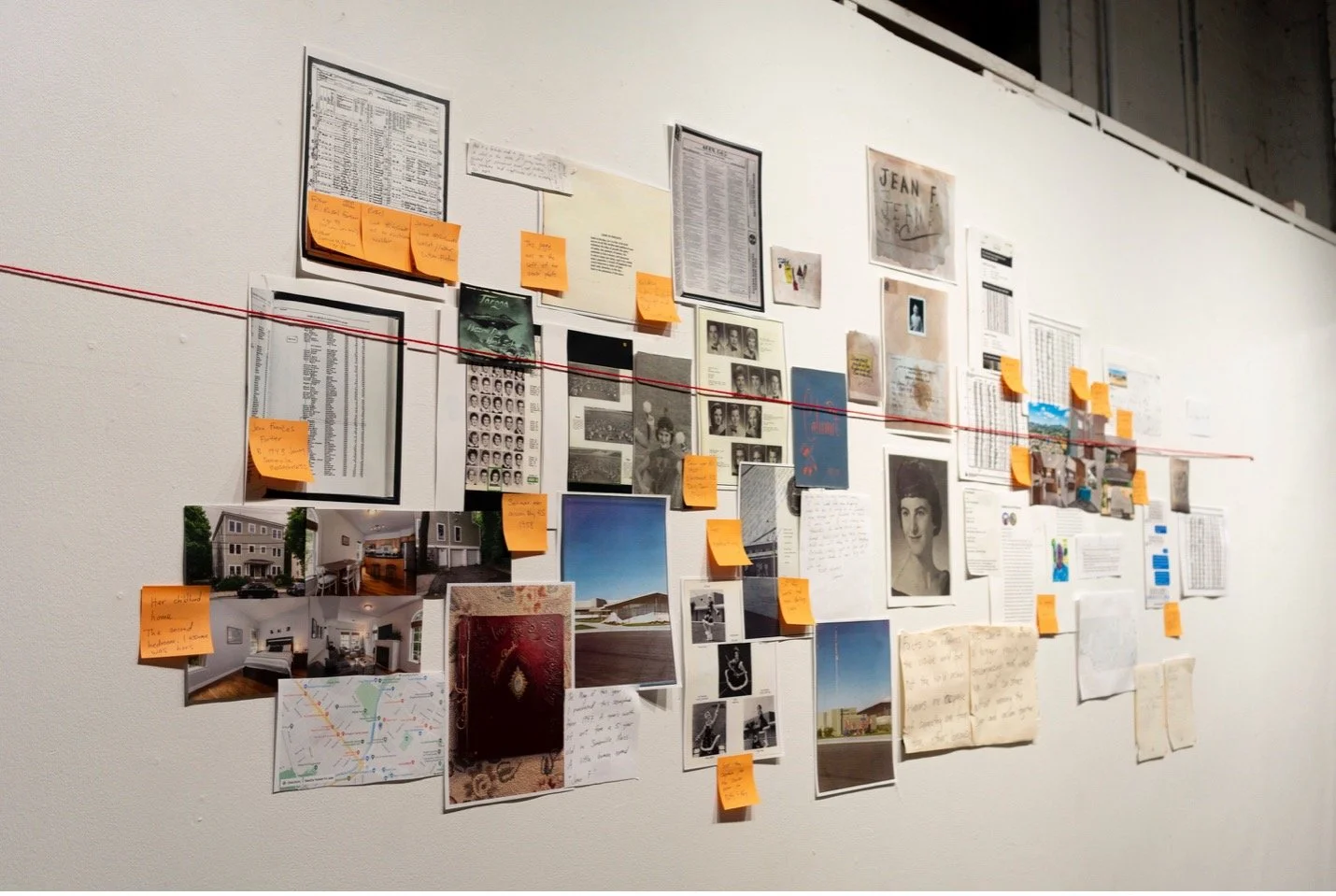
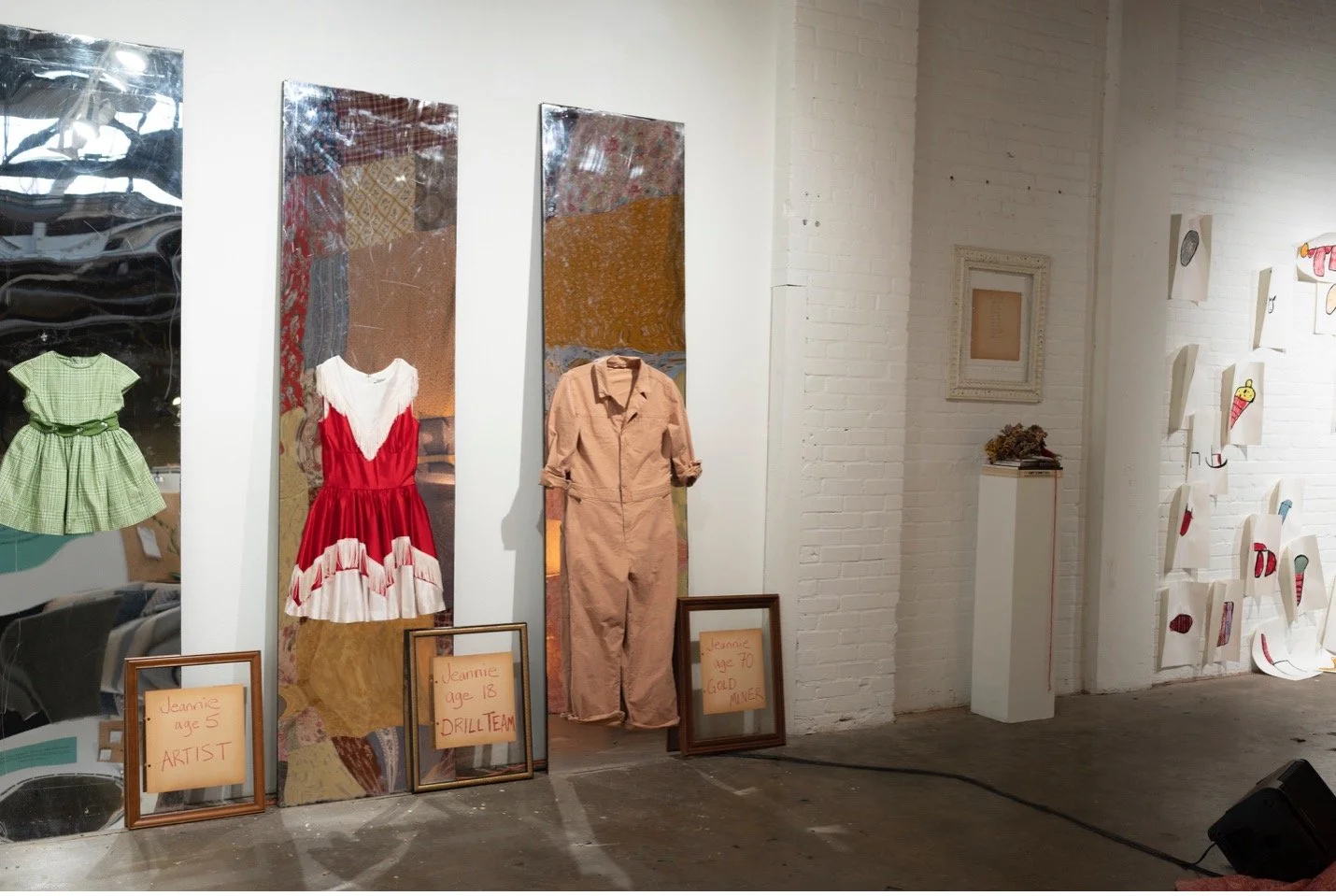
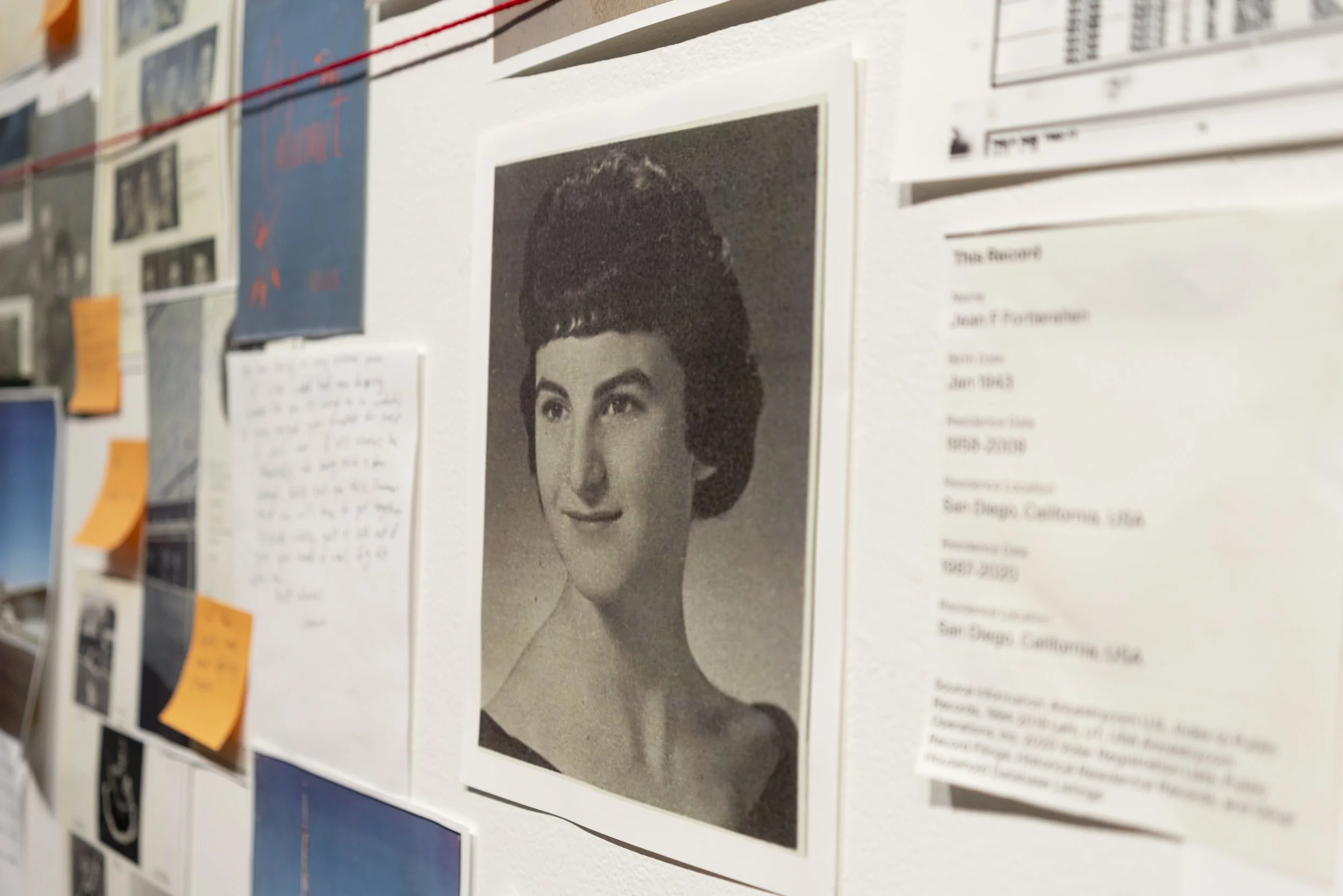
I began researching her life and, over two months, started embodying the pieces of her world I uncovered (thank you, Ancestry.com): tracing her artwork on walls, learning color guard—she was captain in high school—and even learning to pan for gold, her favorite adult pastime. Small rituals she once loved.
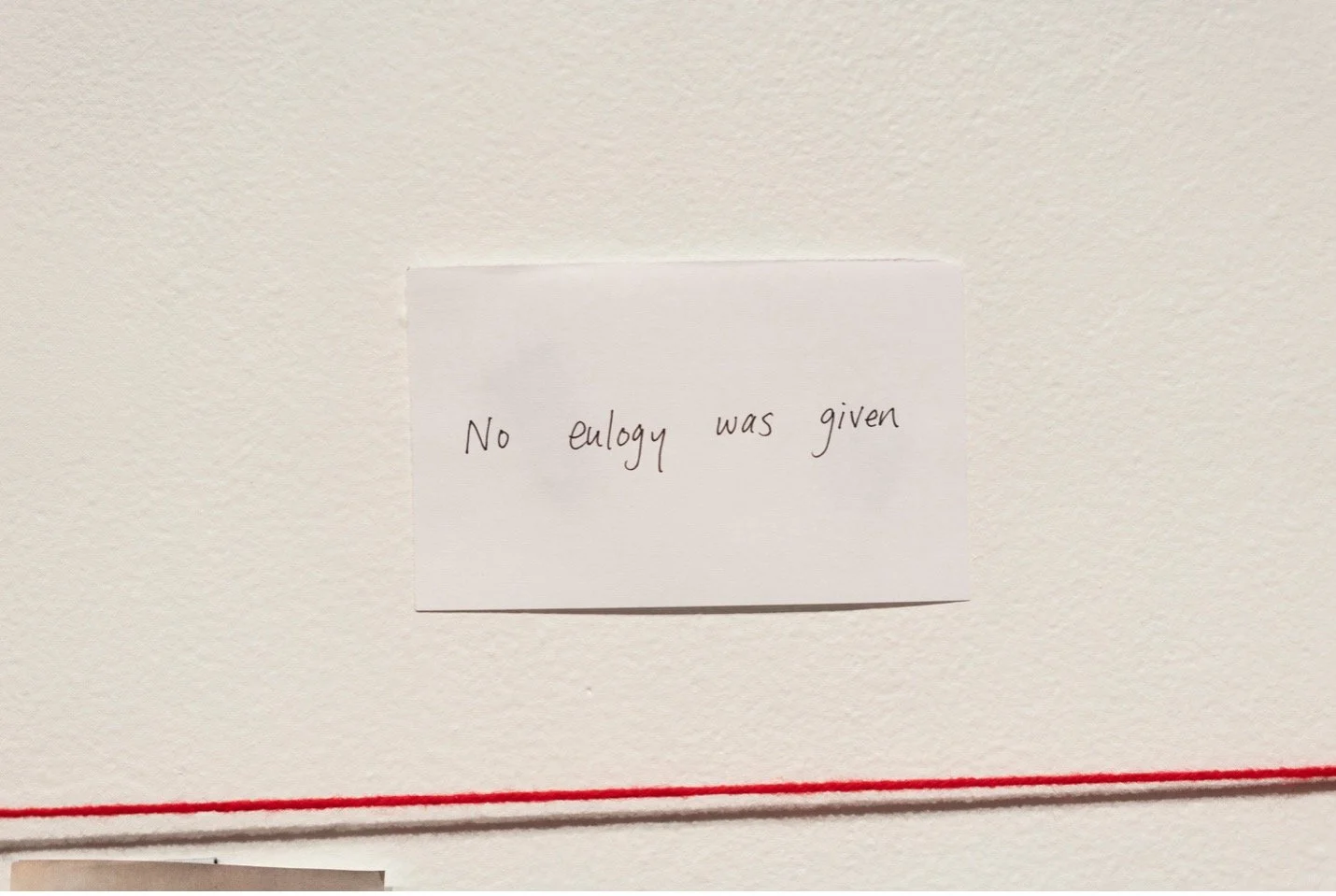
When I eventually spoke with her stepdaughter, I learned Jean had recently passed. “She didn’t want to go,” she said. “It was hard to watch.” Her daughter told me that Jeannie never had the chance to become the artist she imagined as a child. And that she was never given a eulogy.
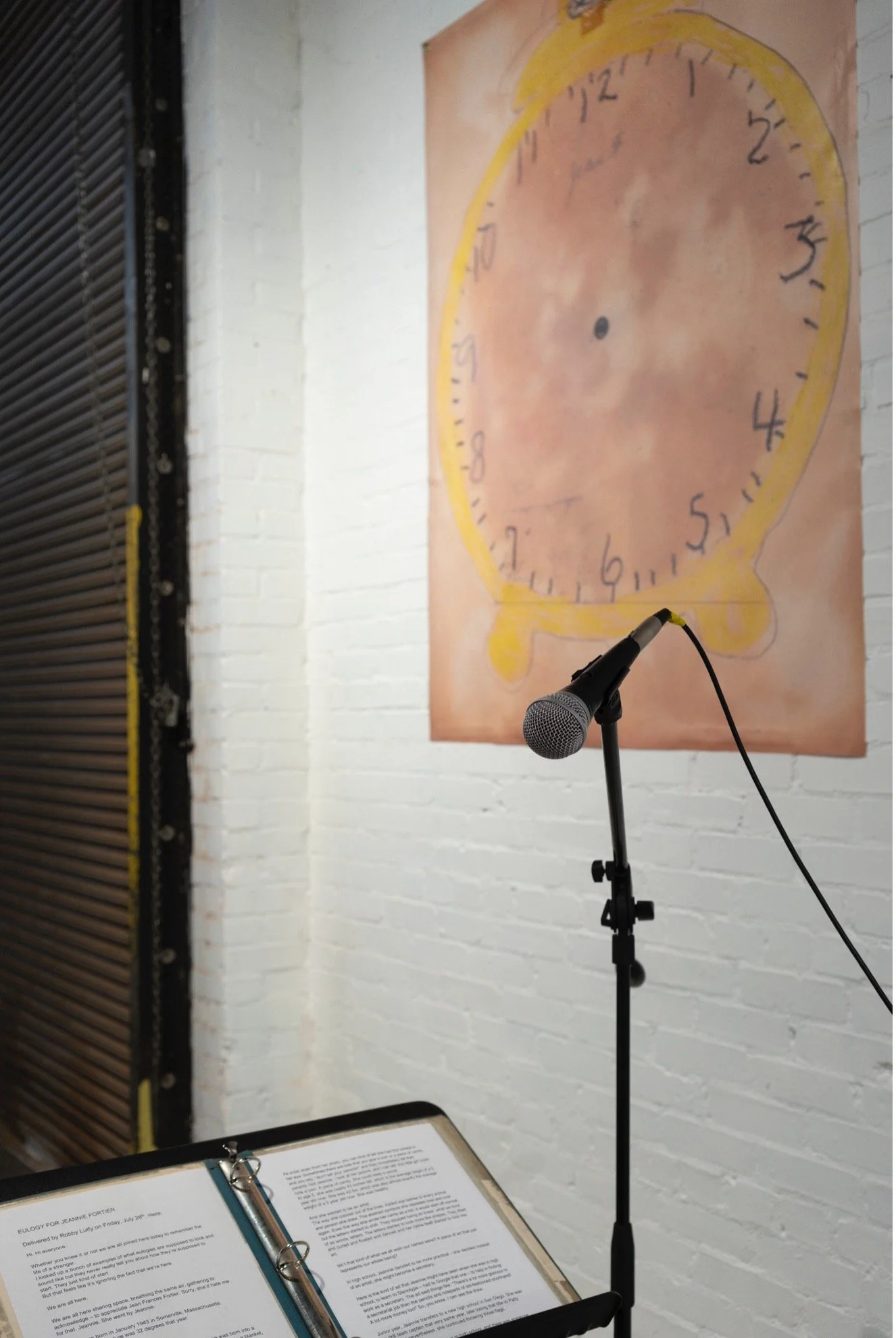
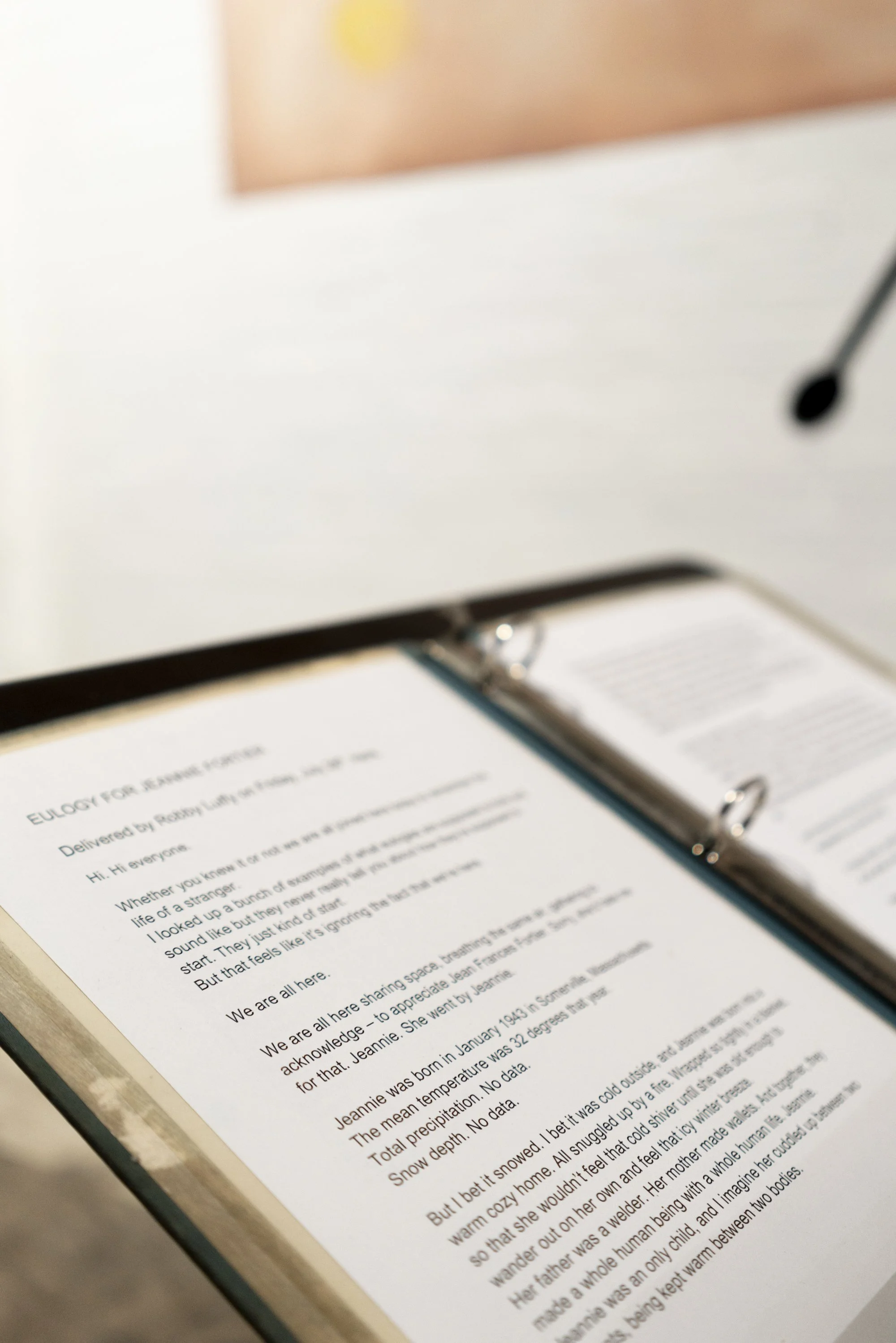
On July 28th, 2023—six months after Jeannie Fortier died—I stood before a five-foot vinyl print of a clock without hands, drawn by her at age four, and offered the eulogy she never received.
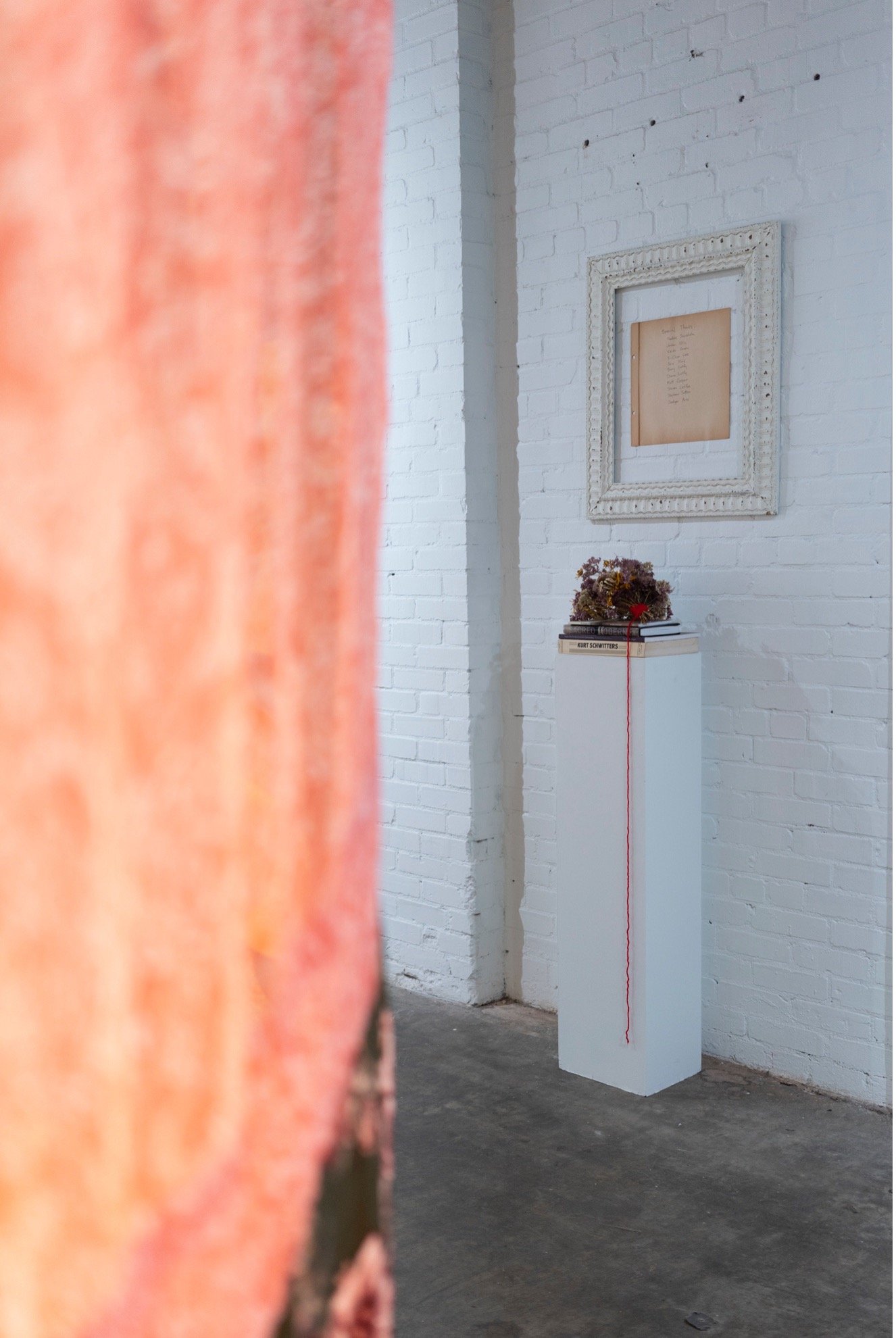
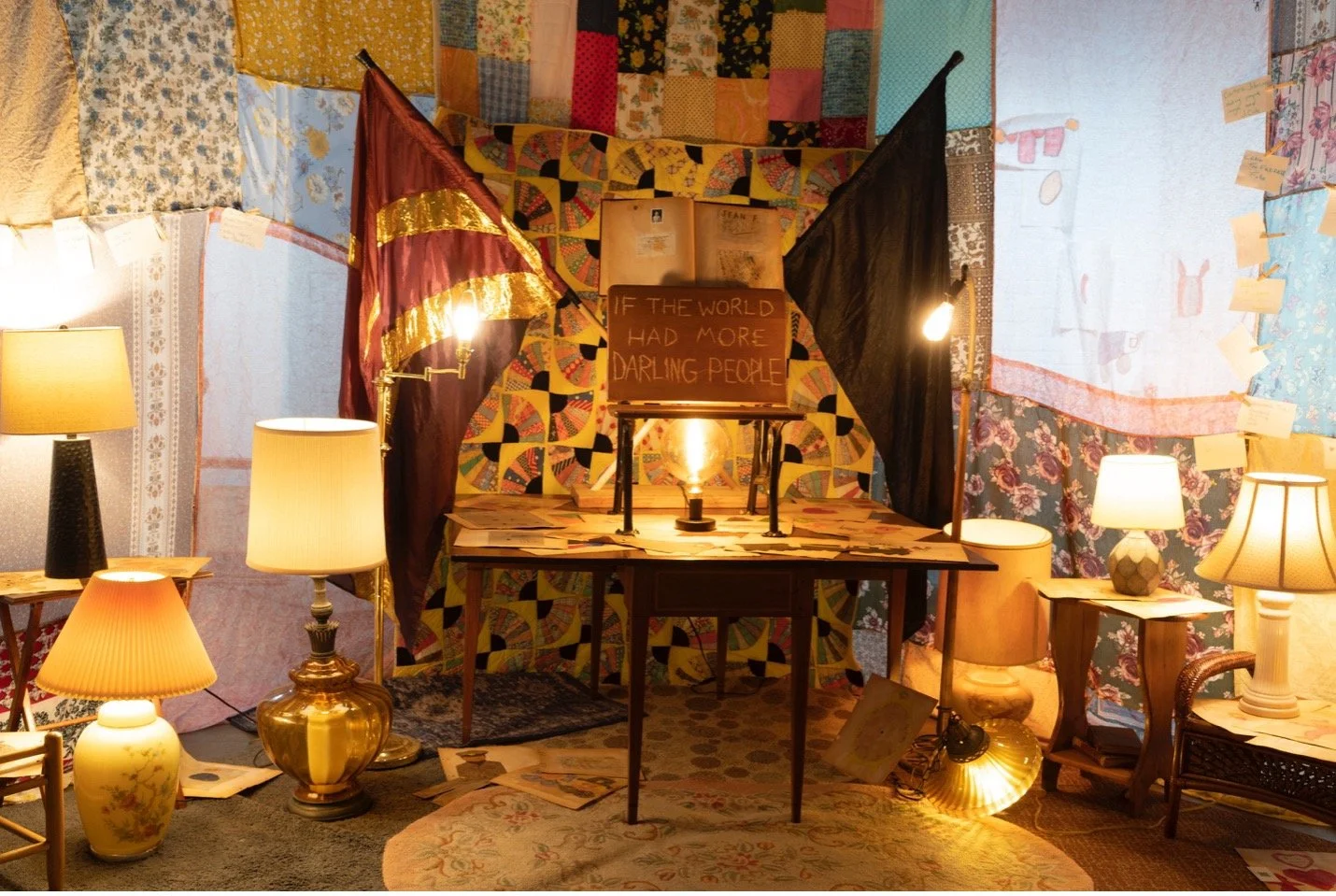
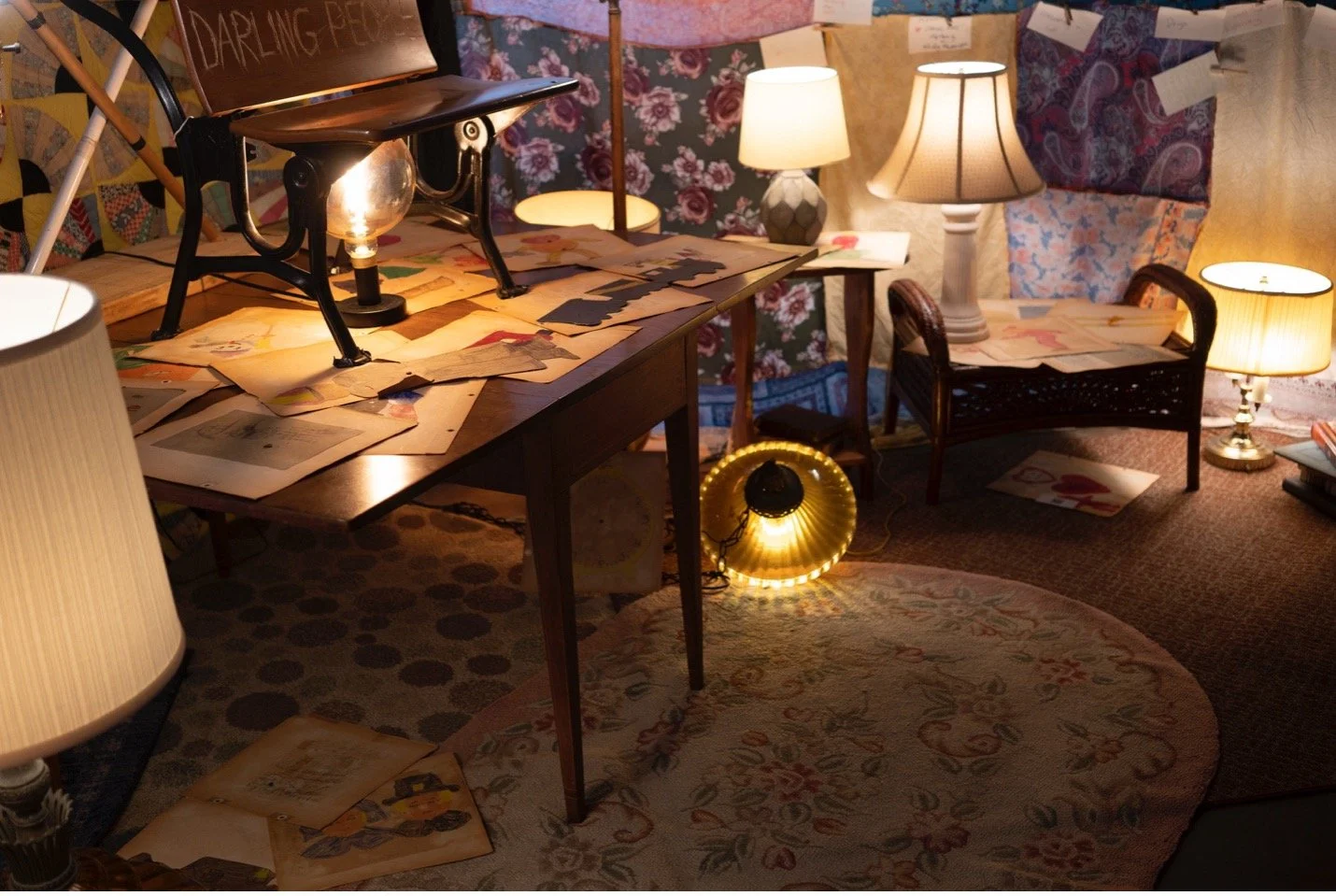
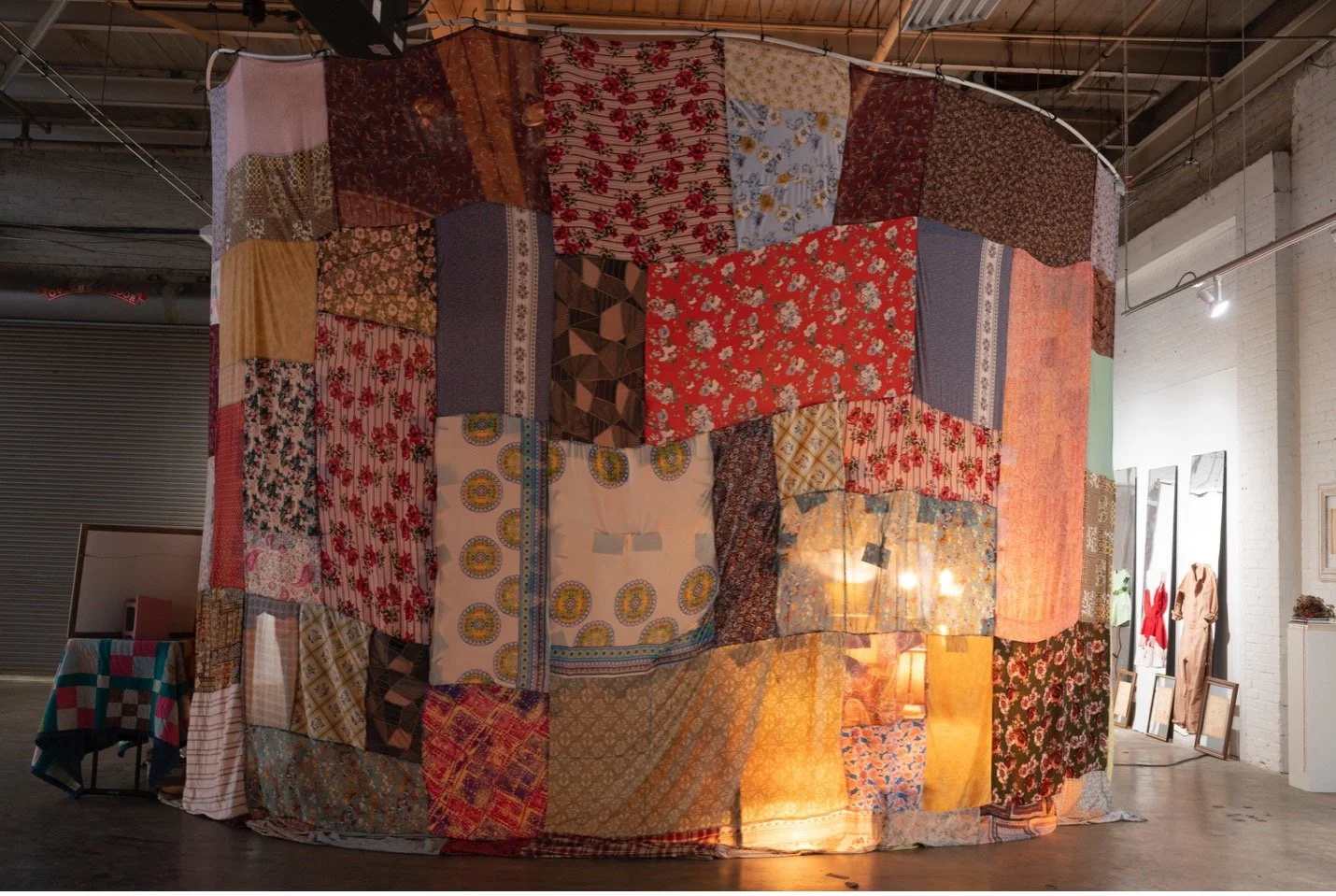
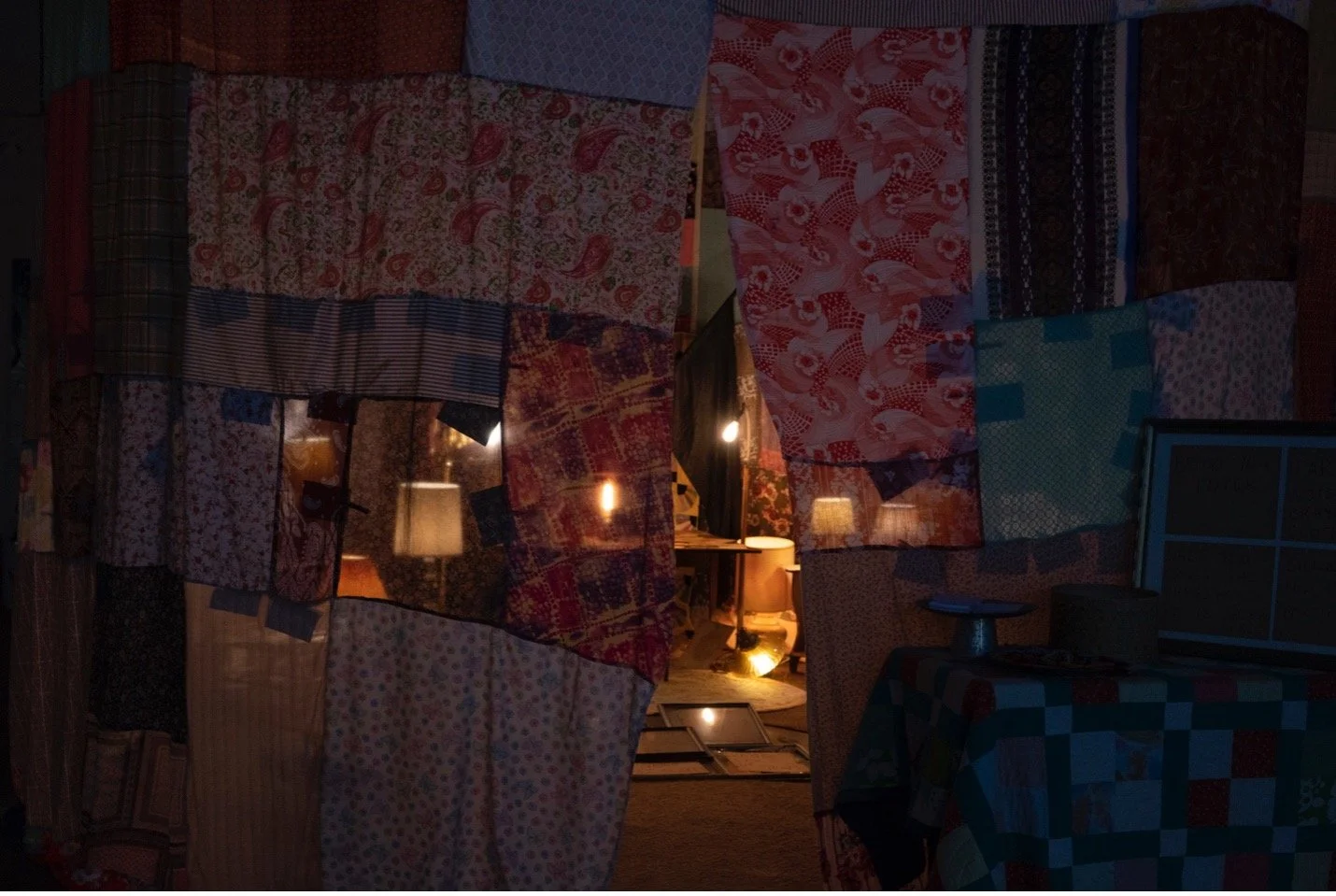
The accompanying exhibit remained up for two months. Audiences stood before mirrored cutouts of the dolls Jeannie drew, seeing themselves reflected inside her childhood artwork at full scale. They stepped into a forty-foot tent sewn from quilts and clothing belonging to the women in my own family lineage, entering a space where Jeannie’s drawings could finally have a gallery opening—allowing her, at last, to be the artist she wanted to be at four. At the entrance, visitors agreed the space was sacred before stepping inside.
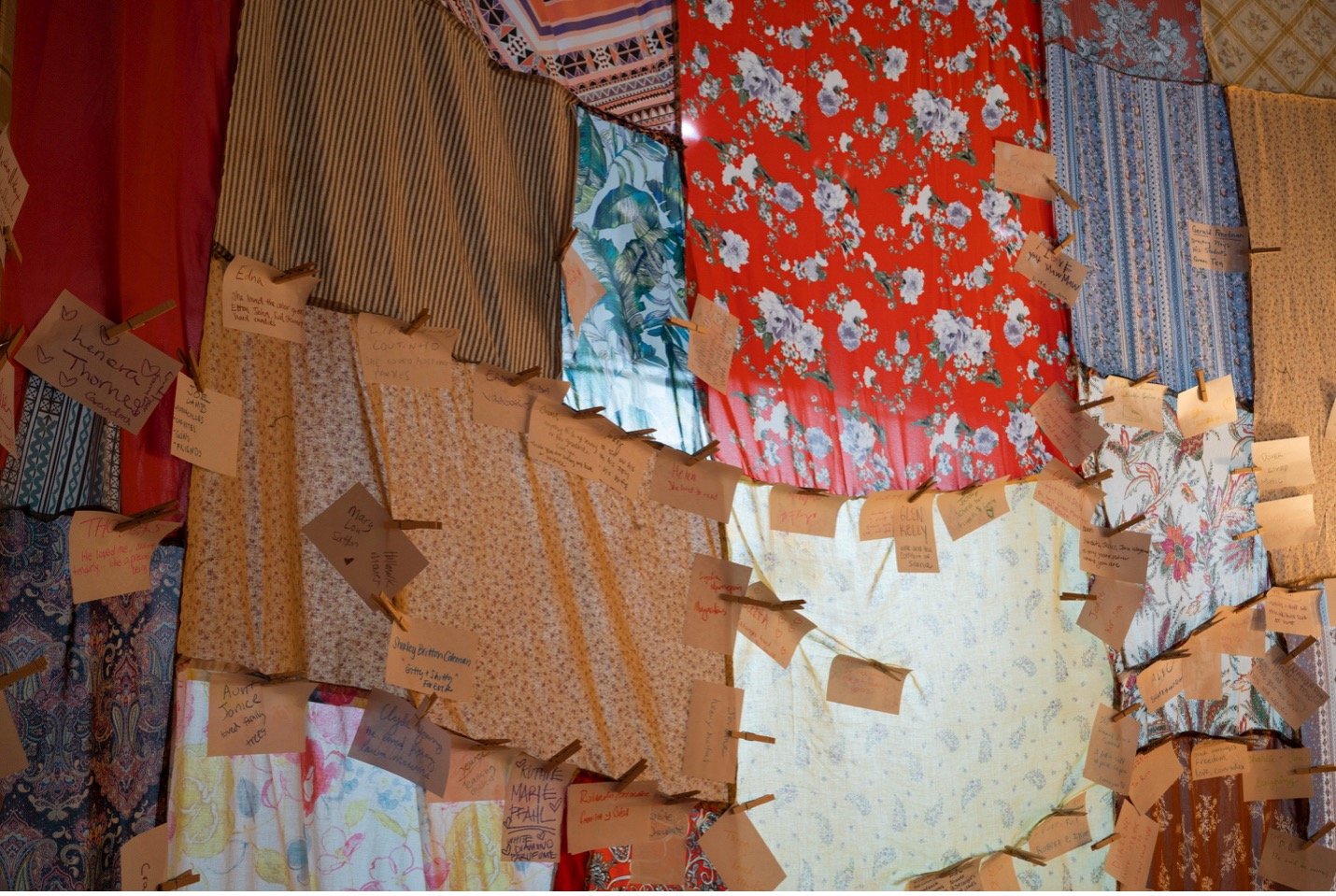
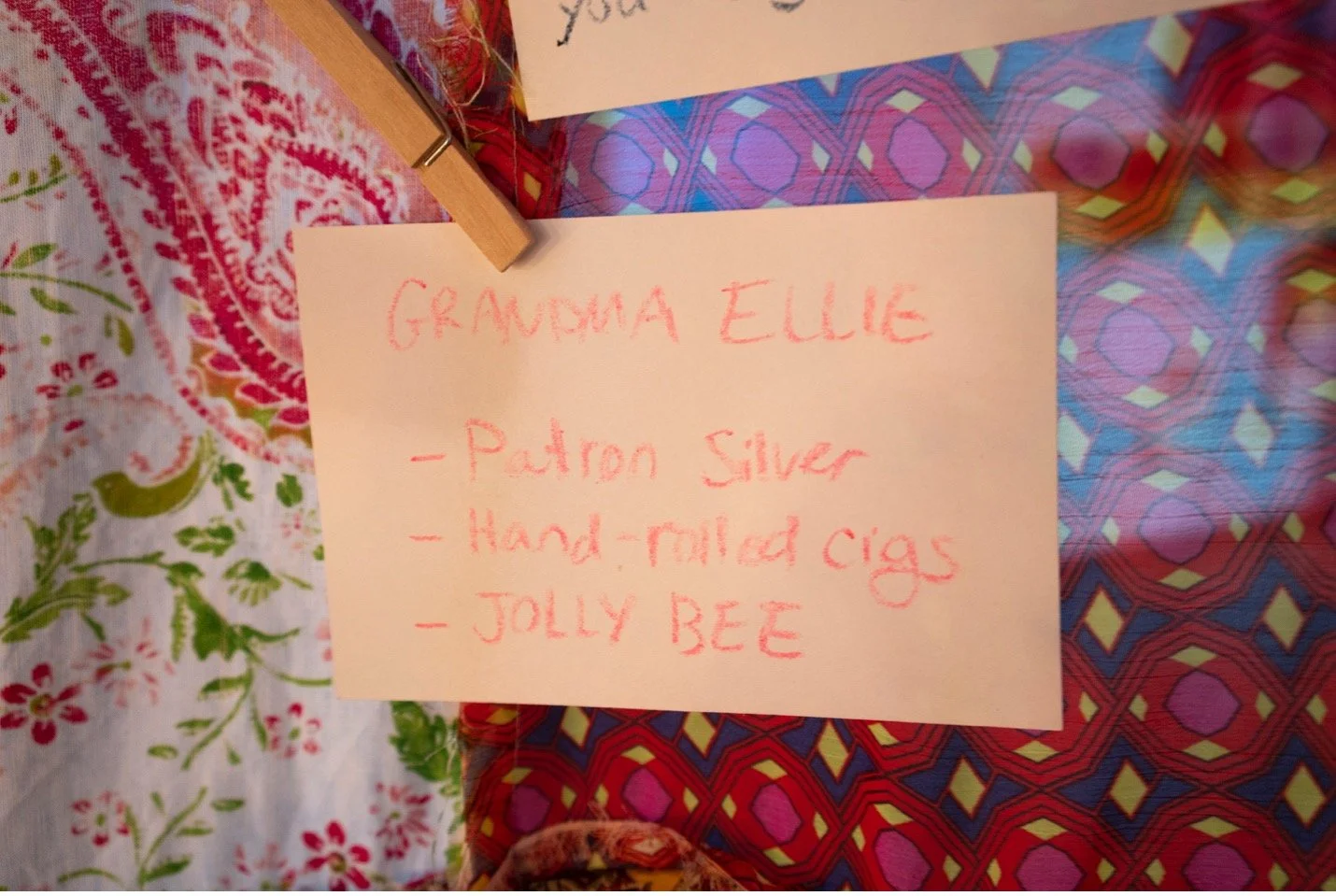
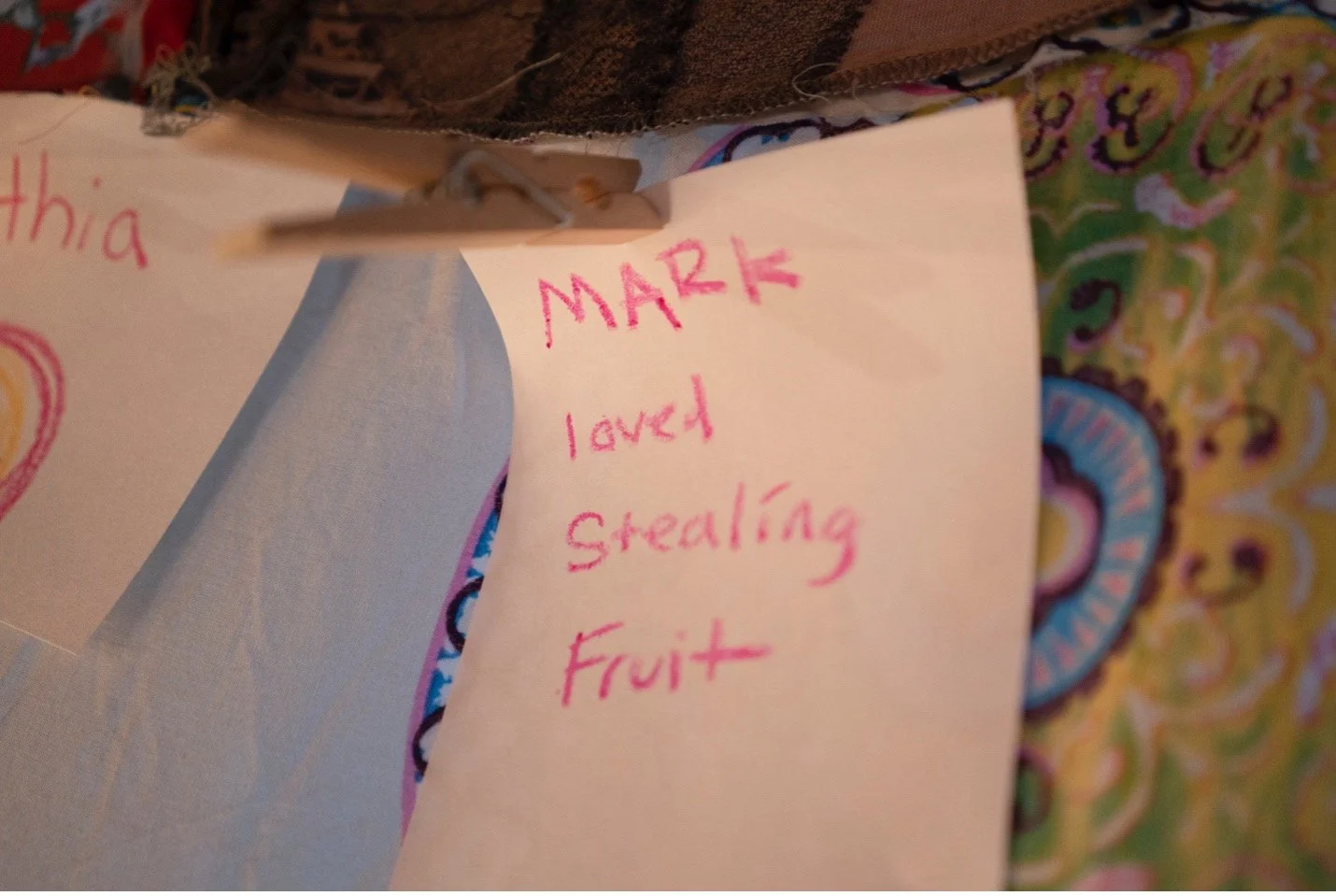
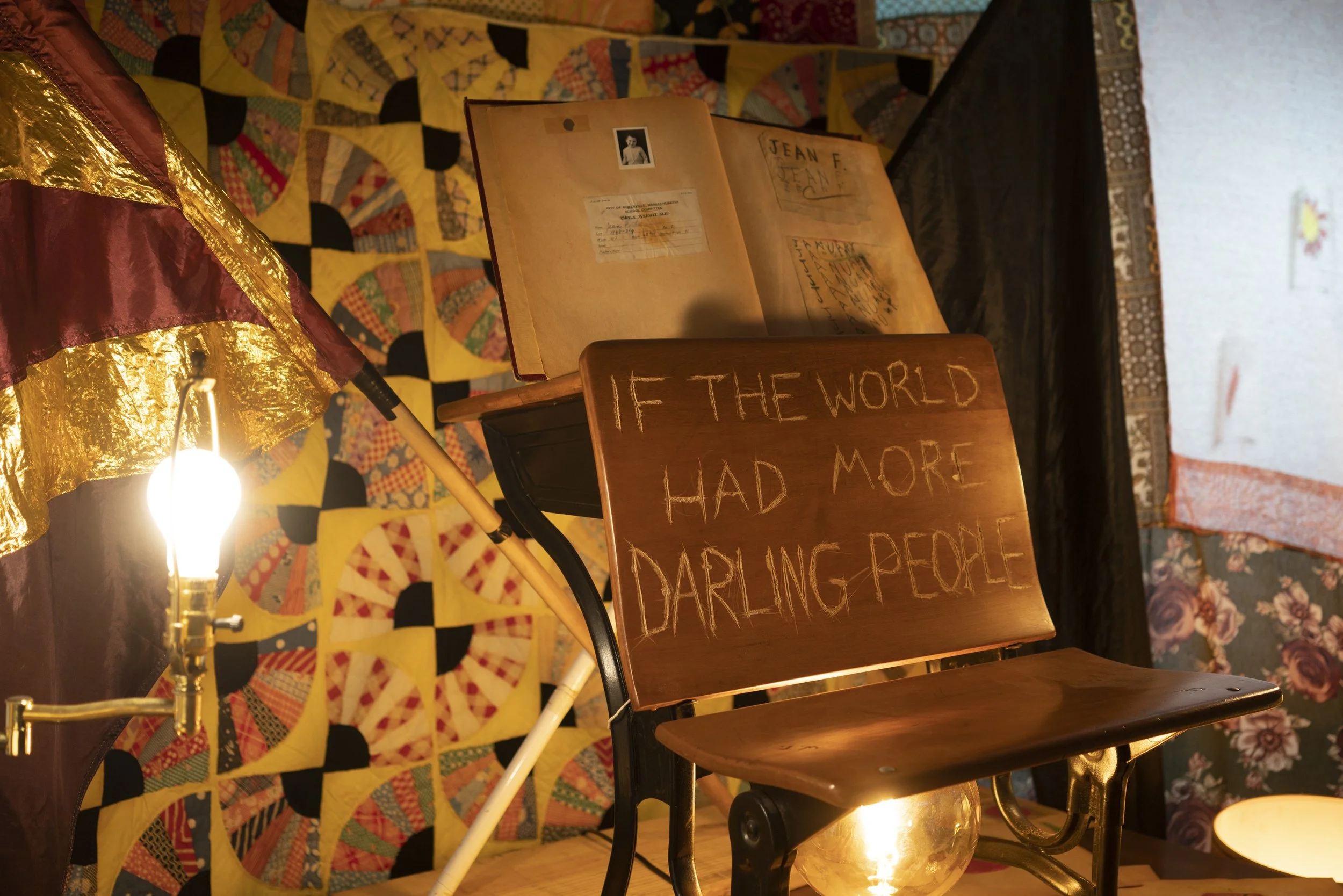
Within the tent, they heard the whoosh of color-guard flags and the sound of water passing over me as I panned for gold in a local mine. They read a message I carved into a 1940s desk—words Jeannie once wrote in a friend’s yearbook: “If the world had more darling people like you, it would be very wonderful.” Guests were invited to write the name of someone they had lost, along with a few things that person loved. They clipped their cards to a line inside the tent and spoke the names aloud. A simple, accessible ritual—one even a four-year-old could take part in.
When someone dies, we’re often left with dates and roles: daughter, stepmother, friend. Their identity becomes defined by who they were to other people. I kept asking myself: How do we talk about someone without talking about everyone around them? Is that respectful—or does it erase them further? Is it enough to say: Jeannie liked cinnamon buns?
Goodyear Arts, Charlotte NC 2023